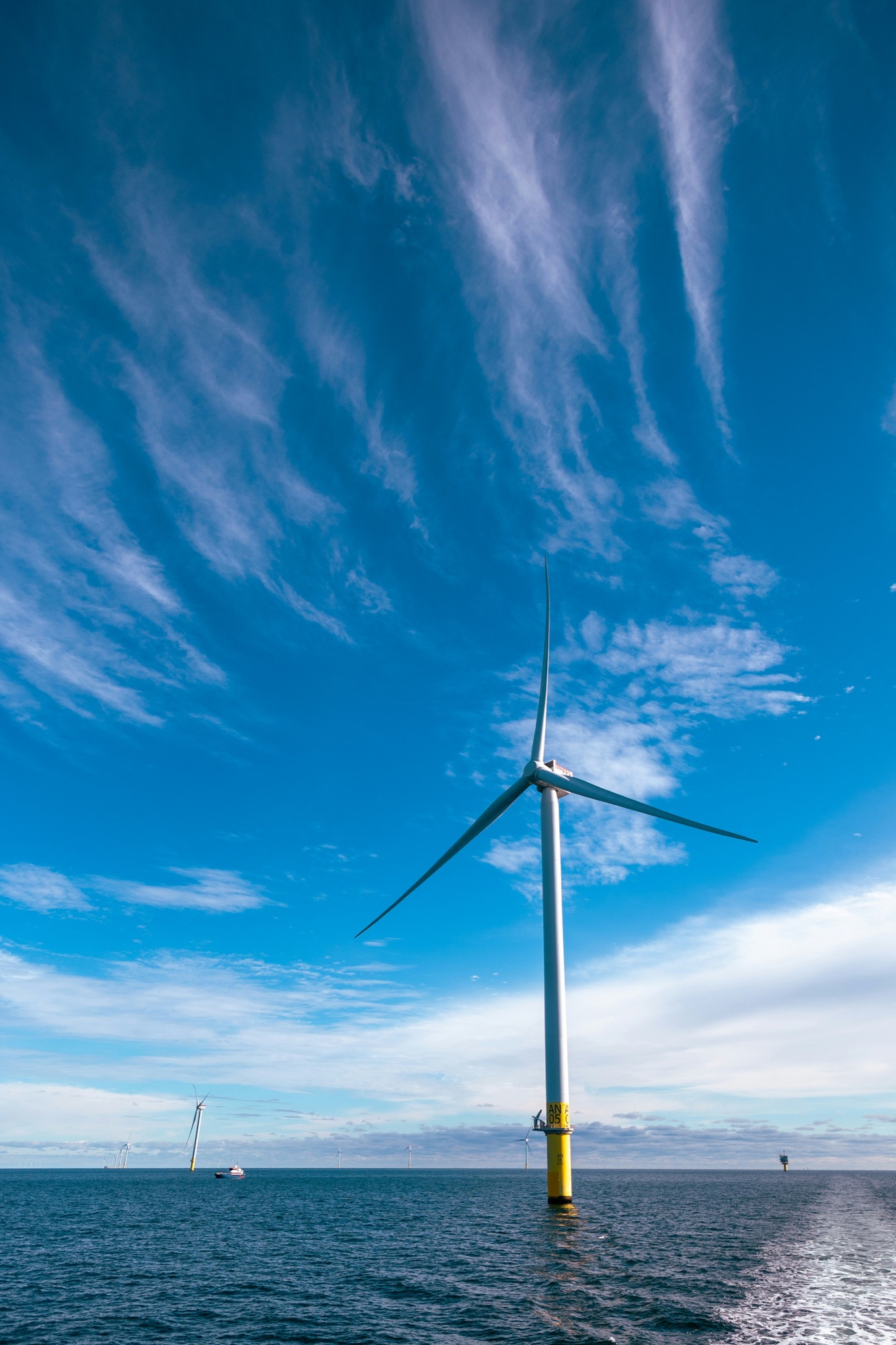
On most offshore wind projects, the first serious conversation about welfare happens after the turbine layout, access strategy and service model are already agreed. By then the practical choices are limited to whatever will fit around decisions made for other reasons.
What is happening on the project?
Technicians working a long or disrupted shift at a turbine depend on vessel movements for access to basic facilities. Weather, access windows and vessel scheduling can all extend the time between a need arising and the ability to meet it. What should be an ordinary human requirement becomes an operational variable.
Project teams frequently recognise the issue but raise it too late to influence the turbine interface, lifting plan or O&M service cadence — the three things that most determine which welfare route is viable.
Why does it matter?
Late welfare decisions carry consequences across compliance, dignity, continuity and whole-life value. A facility retrofitted around fixed constraints is harder to certify, harder to service and more expensive to support across the asset life. An early review — even a short one — keeps all three product routes open and lets the service model be designed alongside the vessel and port rhythm rather than bolted onto it.
What should project teams review?
- The turbine or foundation interface — access route, available envelope, lifting and fixing constraints.
- The working pattern — shift length, crew profile, vessel calls and the realistic time between facility access.
- The approval path — certificate scope, OEM requirements, client controls and the evidence the project will need.
- The service model — container exchange, replenishment, handovers and the authorised shore-side route.

How Harlum approaches it
Harlum Welfare is a configurable portfolio rather than a single unit. Storm is the external route, Breeze the modular internal route and Calm the comfort-led route. Which one fits depends on location, access, project phase, certificate scope, OEM requirements and how the unit will be inspected and serviced.
A turbine-fit review takes the turbine or foundation, the crew profile and the O&M plan as the starting point, then works outward to the toilet, handwash and waste-service arrangement. Certification scope, loads, interfaces, installation method and service responsibilities are confirmed for each project and market.
Project-specific confirmation
Product specifications, certification scope, loads, interfaces, installation methods, approvals, service responsibilities and local compliance requirements are confirmed for each project and market.
Practical next step
If the turbine layout is not yet fixed, book a turbine-fit and service review. It takes one conversation to establish which routes remain open and what evidence the project will need later.