Harlum Welfare
Engineered offshore welfare that protects people, simplifies compliance and performs for the life of the asset. Choose the product route, location, facilities and waste-service model that fit the turbine, the workforce and the way the project will operate.
When technicians remain at a turbine for a long or disrupted shift, weather, access windows and vessel movements can make a return to basic facilities difficult. An everyday human need becomes an operational distraction.
People may restrict fluids because they cannot rely on private toilet access at the turbine.
Long shifts make personal hygiene, menstruation, medication and health needs harder to manage without suitable facilities.
The next chance to reach a vessel can take focus away from the task and the working environment.
The impact can be greater for women and people whose health or personal needs are poorly served by the absence of facilities.

People should not have to compromise hydration, comfort or dignity because the worksite is offshore.
Harlum Welfare is not a single off-the-shelf unit. It is a configurable portfolio built around the technician, the turbine interface and the whole-life service model.
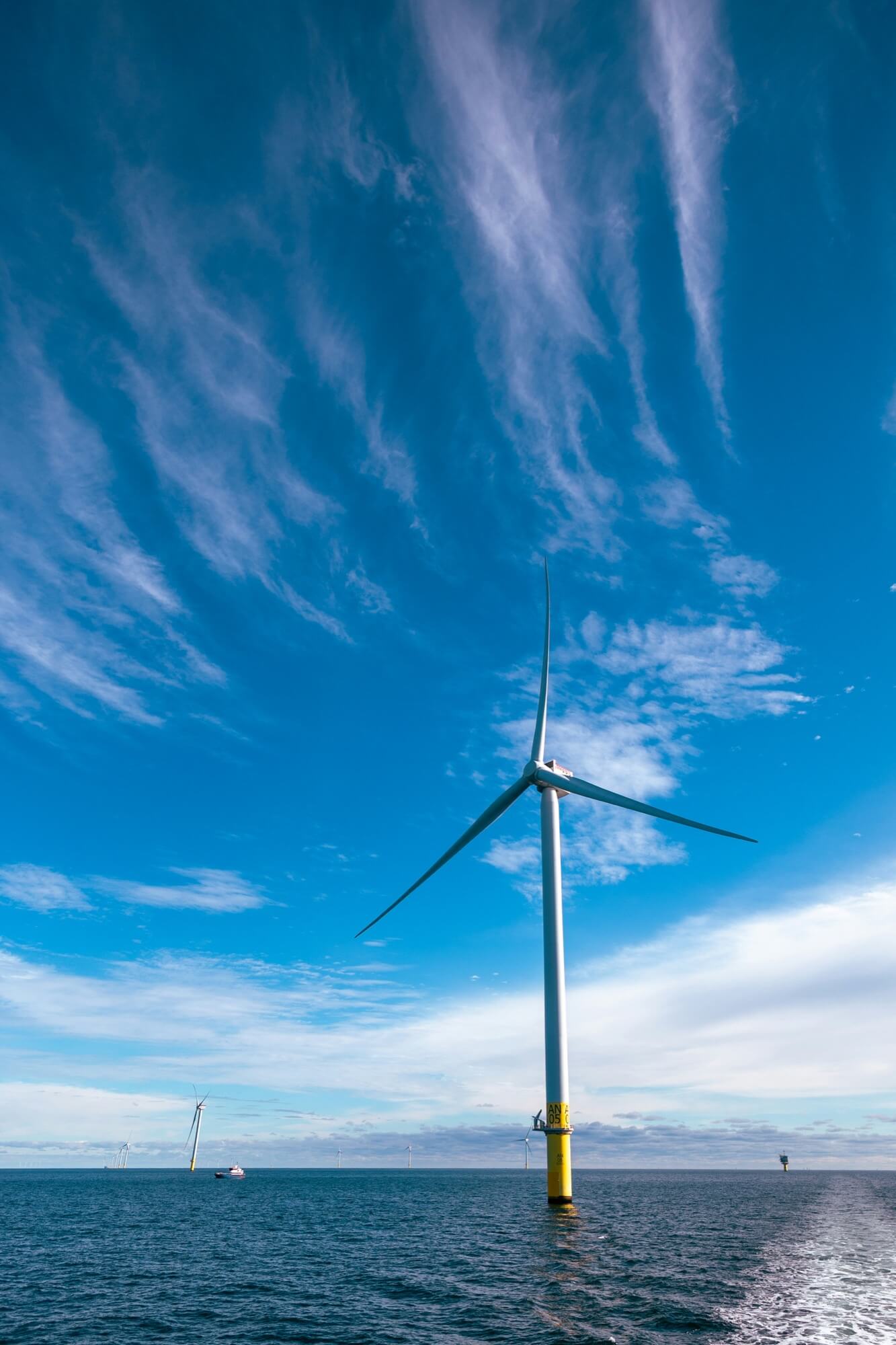
External offshore welfare for maximum assurance — certified external deployment, safe lifting and fixing, long-term resilience and project documentation.
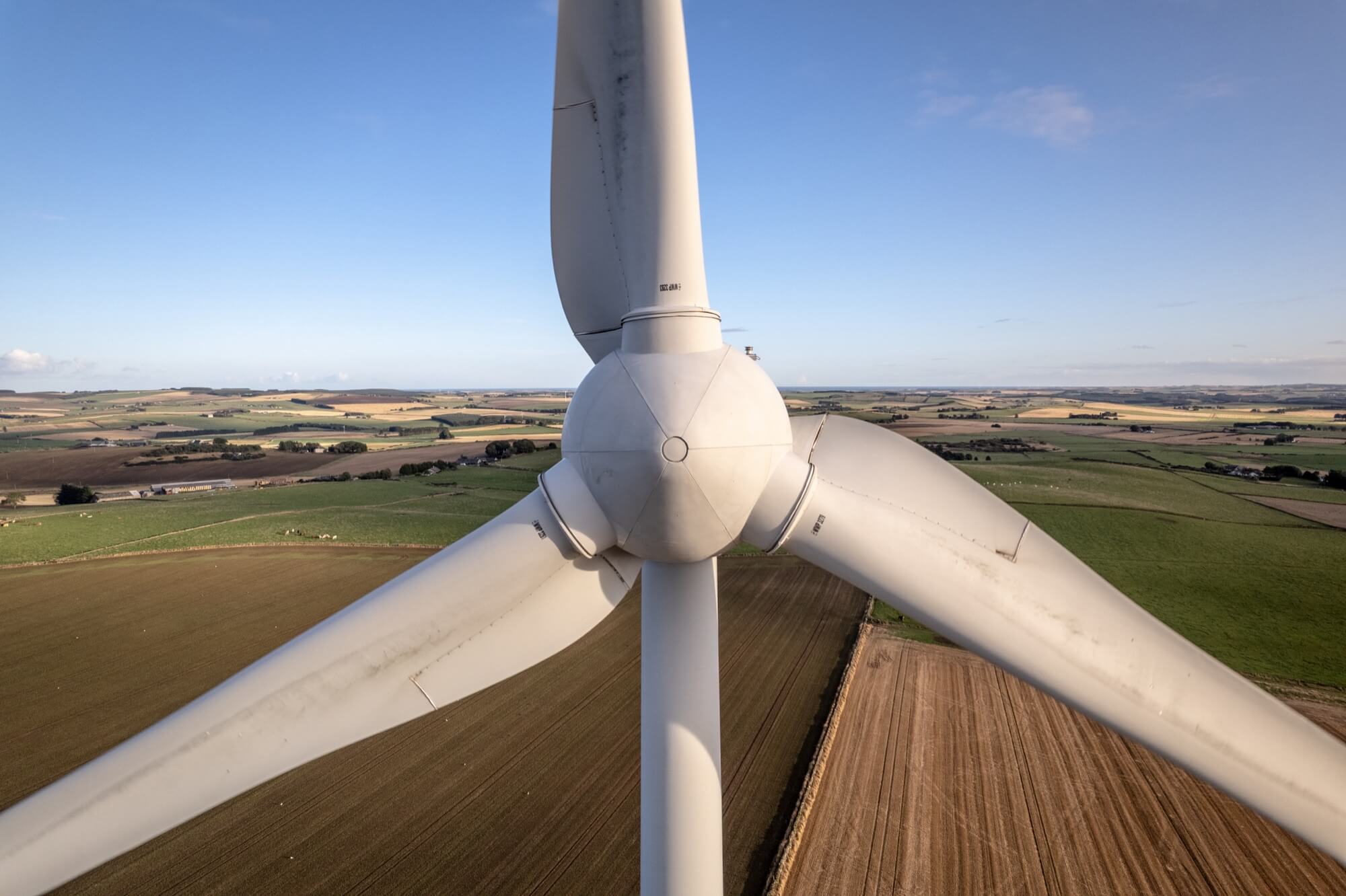
Flexible in-turbine welfare where access and weight matter — modular flat-pack construction, lightweight transport, six-bolt assembly and compact drop-box toilet.
Comfort-led facilities for dignity, hygiene and rest — cleaning and hygiene, inclusive worker dignity and a better welfare culture offshore.
Select the right external, internal or comfort-led arrangement.
Choose the toilet type and arrangement that fit the available space and service route.
Configure hot-water or hand-gel options around the project and workforce.
Plan container exchange, replenishment, handovers and the authorised shore-side route.
Review access, lifting, loads, fixing, internal envelope and installation constraints.
Align the welfare provision to working patterns, crew profile, vessel calls and service cadence.
Build welfare into project controls and support the evidence needed for a project-specific compliance review.
Give technicians private, hygienic facilities at the point of work.
Reduce avoidable welfare-related interruptions and reliance on vessel access for basic needs.
Remove one practical barrier that can affect women and people managing health, medication or personal needs.
Use a sealed waste route with planned return and authorised onshore handling.
Consider installation, maintainability, service and support rather than treating welfare as a short-term purchase.
Recruitment messages only work when the day-to-day workplace backs them up. The absence of private toilet, handwashing and sanitary-waste provision can make offshore work less accessible to women and can discourage people before they enter the industry.
Harlum Welfare allows the project to plan privacy, hygiene and waste provision around a mixed workforce from the start. It gives women a private place to manage menstruation, medication and personal needs and reduces the pressure to restrict fluids or wait for a vessel. Better facilities will not solve the gender imbalance on their own, but they remove an unnecessary barrier to recruitment and retention.

Harlum considers the welfare unit, turbine interface and service chain together. The correct route depends on the location, access, project phase, certificate scope, OEM requirements and the way the unit will be inspected and serviced.
UK Compliance Module
For UK projects, welfare planning should be reviewed against the Workplace (Health, Safety and Welfare) Regulations 1992, CDM 2015 Schedule 2 and all project, client, OEM and HSE requirements. Harlum supports the project review but does not replace legal or competent-person advice.

The Harlum Storm trial at Beatrice Offshore Wind Farm demonstrated that practical turbine-side welfare could be installed, used and serviced in a live offshore environment. The project went on to receive the 2025 RenewableUK Offshore Wind Health & Wellbeing Award.
“The units were deployed and trialled. It was clearly overdue.”
Technician feedback — Beatrice trial
Storm is the external route, Breeze is the modular internal route and Calm is the comfort-led route. Harlum reviews the location, access, workforce, interface and service model before recommending a configuration.
Selected configurations use solar lighting and can operate without an external power draw. The final arrangement is confirmed during the project review.
The toilet system can use an exchangeable waste container. At service, the container is sealed, returned through the agreed vessel and port route and handled through an authorised shore-side process. Full and part-service options are available.
Harlum develops and manufactures its offshore welfare products in the UK, with engineering, documentation and aftercare managed close to the manufacturing route.
As early as possible. Early review gives the project more control over access, interfaces, approvals, installation and service planning. Welfare can also be introduced into an operating asset following a turbine-fit review.
Start with the turbine, the workforce and the operating plan. Harlum will help configure the product, facilities, technical review and service model around the project.
